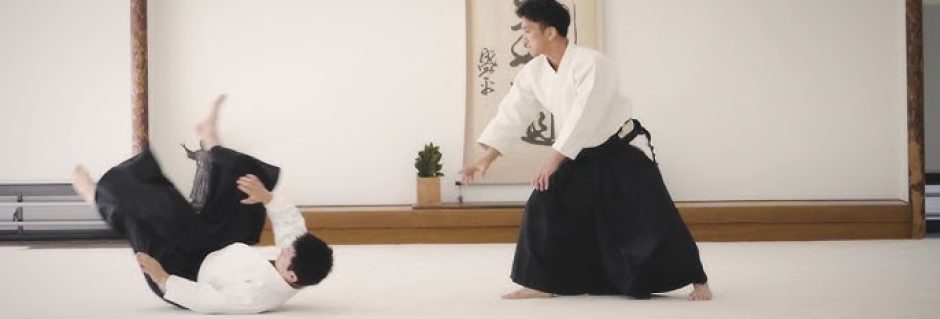
AIKITE-JUTSU TRAINING MANUAL
Official Curriculum of the Kenryu-ha Aikite-Jutsu
From White Belt to Grand Master – The Complete Mountain Path
Author’s Note
This manual is the living blueprint of AIKITE-JUTSU. It is not a sport curriculum. It is a battlefield-forged, koryu-rooted system that trains the whole warrior: body, breath, joint, pressure point, and spirit. Every level integrates AIKITE philosophy (the climb up the mountain) with the physical techniques of old-school “te” (hand arts of classical karate) and koryu jujutsu (pre-modern aikido-style controls, throws, and pins). Progress is measured by three pillars at every rank:
- Technical mastery (waza)
- Physical and energetic conditioning (tanren)
- Philosophical embodiment (shugyo – ascetic practice)
Ranking System
- Mudan / Kyu grades (10th to 1st Kyu) – White to Brown belt
- Shodan to Godan – Black belt (1st–5th Degree)
- Rokudan to Hachidan – Master Instructor levels
- Kudan & Judan – Grand Master levels (Soke / Dai Shihan)
LEVEL 1: BEGINNER – “The Base of the Mountain” (10th–6th Kyu)Focus: Build foundation, learn to fall safely, awaken the body, and accept the first step upward.
Duration: 6–18 months (minimum 2–3 classes/week) Physical Curriculum
- Rei & Etiquette – Proper bowing, dojo commands, respect for the mountain path
- Ukemi – All basic falls: back, side, forward rolls, break-falls from standing and moving
- Kihon (“te” fundamentals):
- Stances (shizentai, zenkutsu, kiba, neko-ashi)
- Basic strikes: tsuki, shuto, uraken, teisho, nukite
- Pressure-point awareness (kyusho introduction – safe surface strikes only)
- Jujutsu fundamentals:
- Wrist locks (kote-gaeshi, kote-hineri)
- Basic throws (osoto-gari, o-goshi, irimi-nage)
- Pins (kesa-gatame, yoko-shiho)
- Breathing & Movement: Misogi breathing, slow “cloud hands” flow to develop ki awareness
Philosophical Integration
- Study of the “Mountain Path” parable
- Weekly reflection journal: “What did I release today?”
Promotion Test
- Demonstrate 8 basic techniques cleanly
- 50 unbroken ukemi
- Recite dojo kun from memory
LEVEL 2: INTERMEDIATE – “Entering the Forest” (5th–1st Kyu)Focus: Connect techniques into flowing combinations; begin to feel the opponent’s energy.
Duration: 18–36 months Physical Curriculum
- Advanced Kihon:
- Full “te” arsenal – joint-twisting strikes, hammer-fist, elbow series
- 36 kyusho points (safe application only)
- Jujutsu Development:
- 12 core throws from standing and moving
- Joint manipulations (elbow, shoulder, finger locks)
- Ground transitions and escapes
- Renraku-waza (combinations): Strike → lock → throw → pin (minimum 20 two-technique chains)
- Conditioning: Makiwara striking, tanren with heavy bag, partner resistance drills
- Introduction to Kata: First two formal forms (created specifically for AIKITE-JUTSU – “Shoden no Kata” and “Chuden no Kata”)
Philosophical Integration
- Weekly study of classic texts (Hagakure excerpts, Dokkodo, mountain ascetic stories)
- Begin personal “mountain climb” practice: 10-minute seated meditation after every class
Promotion Test
- Randori (light free practice) showing control
- Kata performance with bunkai explanation
- Demonstrate ability to neutralize an aggressive push or grab
LEVEL 3: ADVANCED – “Climbing the Steep Slope” (Shodan–Sandan)Focus: True integration – techniques become instinctive; power is hidden, speed is explosive.
Duration: 3–7 years total from white belt Physical Curriculum
- Mastery of “Te”:
- Advanced pressure-point sequences (atemi to kyusho that set up locks)
- Close-range devastating hand work (no telegraphing)
- Mastery of Koryu Jujutsu:
- All major throws against resistance
- Multiple-attacker scenarios (3-person randori)
- Weapon retention & disarms (bo, tanto – optional at 2nd Dan)
- Kata: Complete “Okuden no Kata” series (3 advanced forms) + full bunkai
- Conditioning: Iron-body exercises, full-power makiwara, night training (optional)
Philosophical Integration
- Lead weekly philosophy discussions
- Begin teaching lower ranks (assistant instructor at 2nd Dan)
- Personal shugyo: 1-day solo mountain hike or equivalent ascetic practice per year
Promotion Test (each Dan)
- Public demonstration
- Written thesis on one philosophical principle applied to technique
- Free randori against multiple opponents showing calm dominance
LEVEL 4: MASTER INSTRUCTOR – “Above the Tree Line” (Yondan–Hachidan)Focus: Transmit the art; refine the path for others; embody the mountain. Curriculum
- Full system mastery plus creation of personal variations (allowed only at this level)
- Instructor certification program: How to teach each level safely and effectively
- Advanced kyusho revival techniques (only under direct supervision of Soke)
- Weapon integration: Jo, tanto, and classical sword principles applied to empty-hand
- Development of dojo-specific “secret” techniques (okuden) passed only to trusted students
Philosophical Integration
- Write and publish personal commentaries on AIKITE philosophy
- Lead multi-day retreats or “mountain climbs” (intensive training camps)
Promotion Requirements
- Minimum 8 years of continuous teaching
- Produce at least 3 Shodan students who embody the art
- Soke’s personal approval (or designated successor)
LEVEL 5: GRAND MASTER – “At the Summit” (Kudan & Judan)Focus: Become the living embodiment of AIKITE. Preserve, evolve, and protect the tradition. Curriculum
- Complete ownership of the system: ability to modify curriculum for future generations while preserving core koryu spirit
- Transmission of the full oral tradition (kuden)
- Creation of legacy kata or training methods unique to your lineage
- Global teaching and lineage preservation
Philosophical Integration
- Live as a modern mountain ascetic: daily personal practice, lifelong study, service to the art above personal gain
Title Bestowal
- Kudan – “Hanshi” or “Kyoshi” title
- Judan – “Dai Shihan” or “Soke” (only one living Soke at a time in the Kenryu-ha)
- Bestowed only by previous Grand Master or unanimous council of 7th Dan+ instructors
General Training Rules for All Levels
- Every class begins and ends with AIKITE philosophy recitation or meditation.
- No live pressure-point strikes to the head/neck until 3rd Dan under direct supervision.
- Safety first – “Control, never injure your training partner.”
- Monthly “mountain review” – private meeting with instructor to discuss progress on the spiritual climb.
- All ranks must maintain a personal training journal.